

Dare the special effects
In coloring, just like in photography or painting, special effects open up a world of creative and expressive possibilities. Coloring techniques go far beyond simply filling spaces with colors. By mastering various special effects such as gradients, blending, hatching, pointillism, and marbling, artists can bring their drawings to life in a spectacular way. Each technique adds a unique dimension: gradients and blending create smooth transitions and realistic volumes, hatching adds dynamic textures and shading, while pointillism and marbling introduce fascinating and vibrant patterns. These methods not only enrich the visual composition but also convey varied emotions and atmospheres. Coloring thus becomes a true art form where every stroke and every shade matters, transforming a simple image into a rich and captivating work. Daring to use special effects is to embrace limitless creativity and redefine the possibilities of coloring.
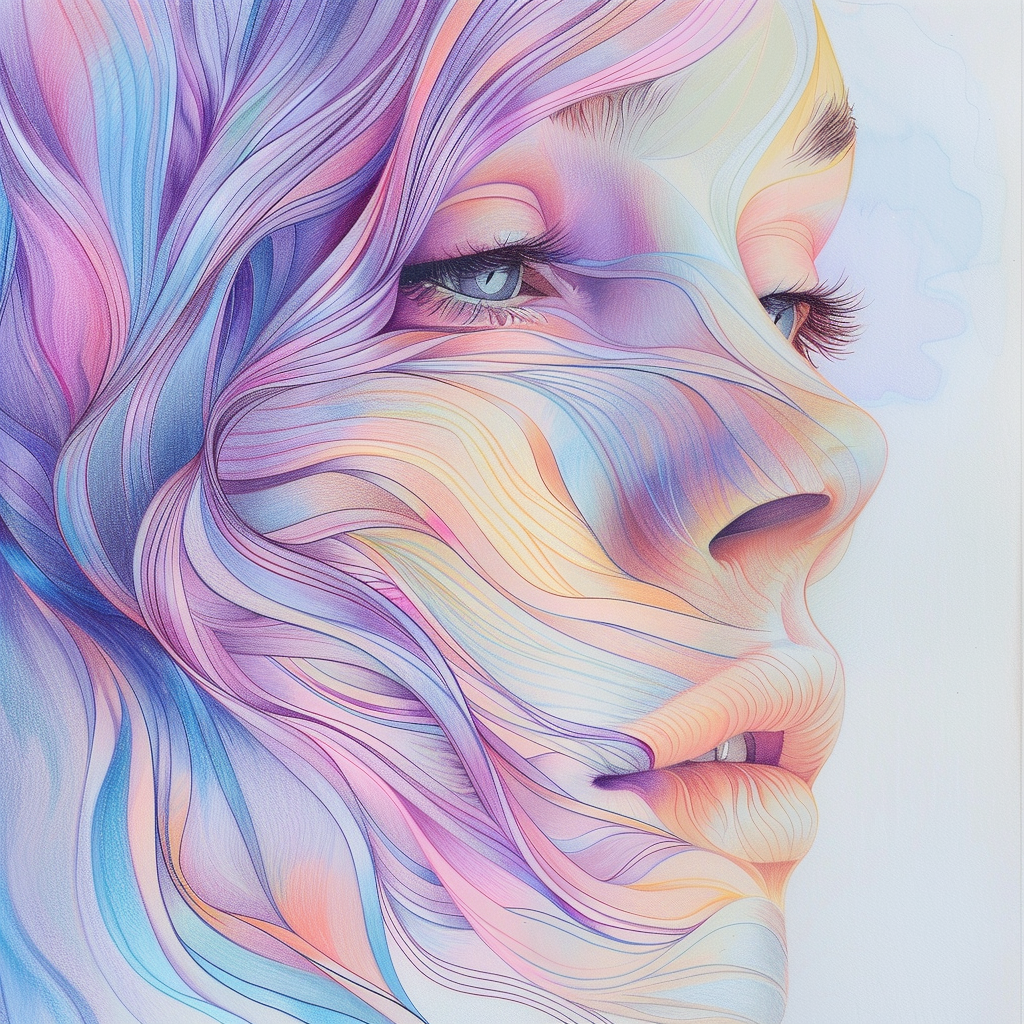
Enhance the Faces
Coloring faces can transform a simple portrait into a stunning work of art. By using special techniques such as gradients and blending, artists can create subtle transitions of light and shadow, bringing life and depth to facial features. The choice of colors is also crucial: well-blended skin tones provide realism and softness, while more vivid accents can highlight the lips, eyes, or cheeks. Hatching adds texture to hair and eyebrows, giving character and dynamism to the whole. By mastering these special effects, one can enhance faces, capturing not only the appearance but also the expression and emotion of each portrait.
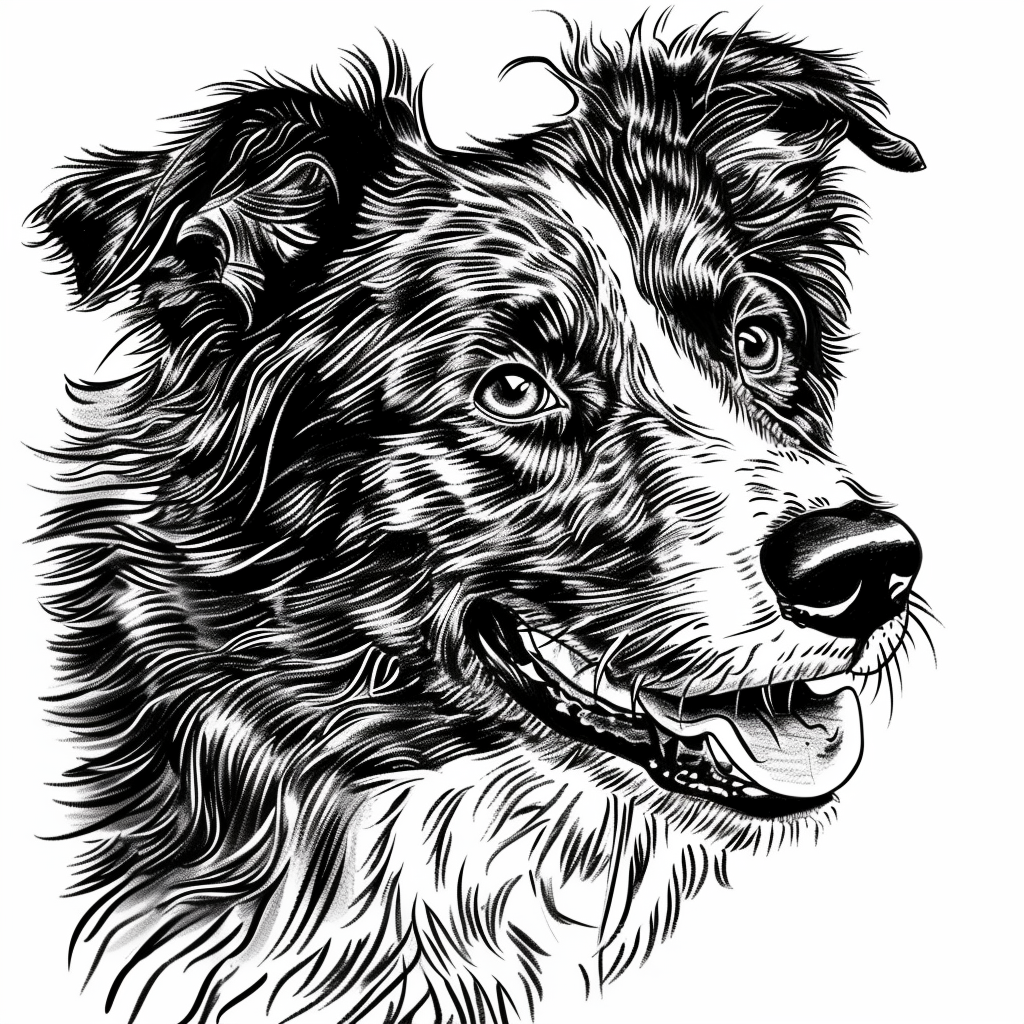
Revisit black and white portraits
Les portraits en noir et blanc offrent une profondeur et une intensité incomparables, transformant chaque trait en une expression pure et intemporelle. En jouant avec les contrastes et les nuances de gris, les artistes peuvent accentuer les détails du visage et les expressions, créant une atmosphère dramatique et captivante. Le hachurage et l’estompage deviennent des techniques clés pour sculpter les ombres et les lumières, donnant ainsi du volume et de la vie à chaque portrait. En osant les portraits en noir et blanc, on explore une nouvelle dimension artistique où chaque ligne et chaque nuance racontent une histoire riche et émotive.
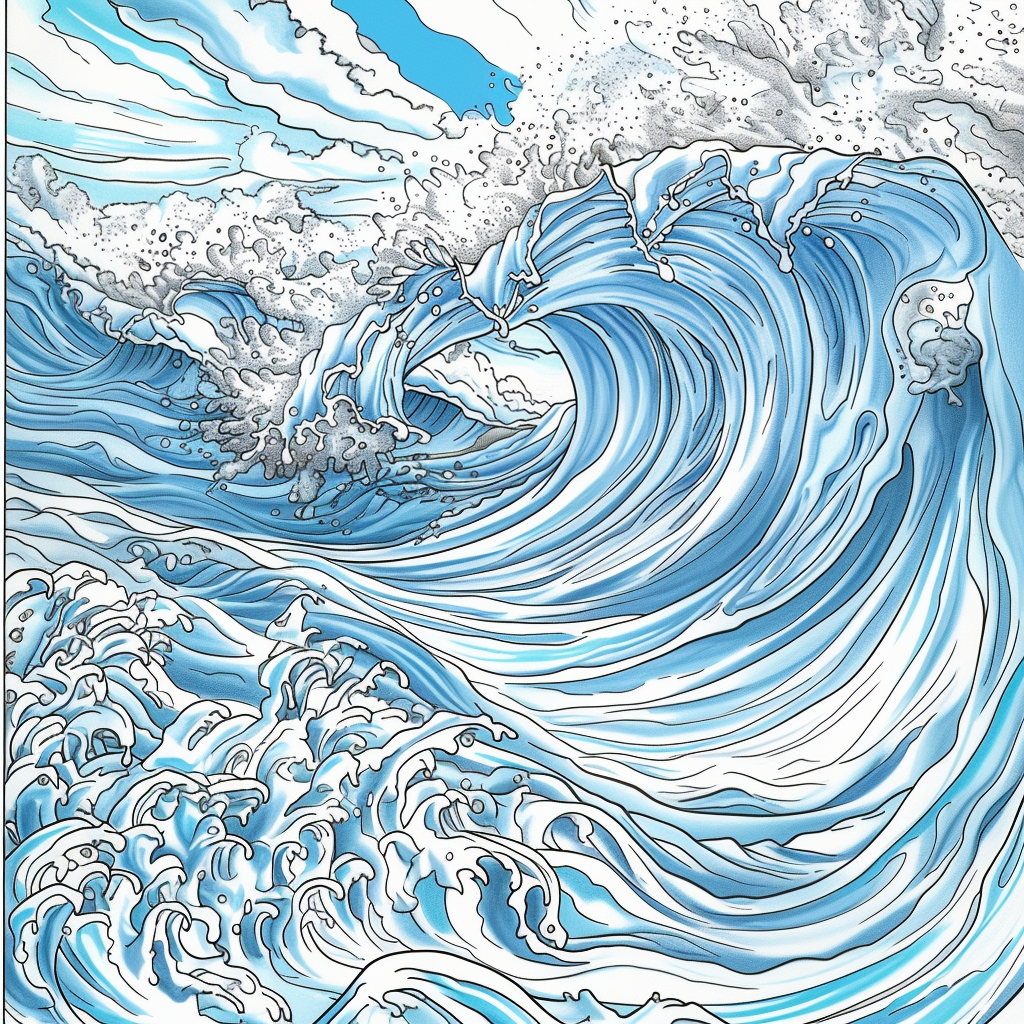
Create a sense of movement
Creating the impression of movement in coloring can transform a static scene into a dynamic and lively composition. For elements like waves, using curved and fluid lines can capture the sensation of moving water. By combining gradient techniques for light and shadow transitions with hatching for textures and reflections, you can create realistic waves that almost appear to move before your eyes. Adding touches of white for wave crests and subtle blending for the calmer parts of the water adds even more depth and realism. By mastering these techniques, artists can breathe life and energy into their drawings, making each scene more immersive and captivating.
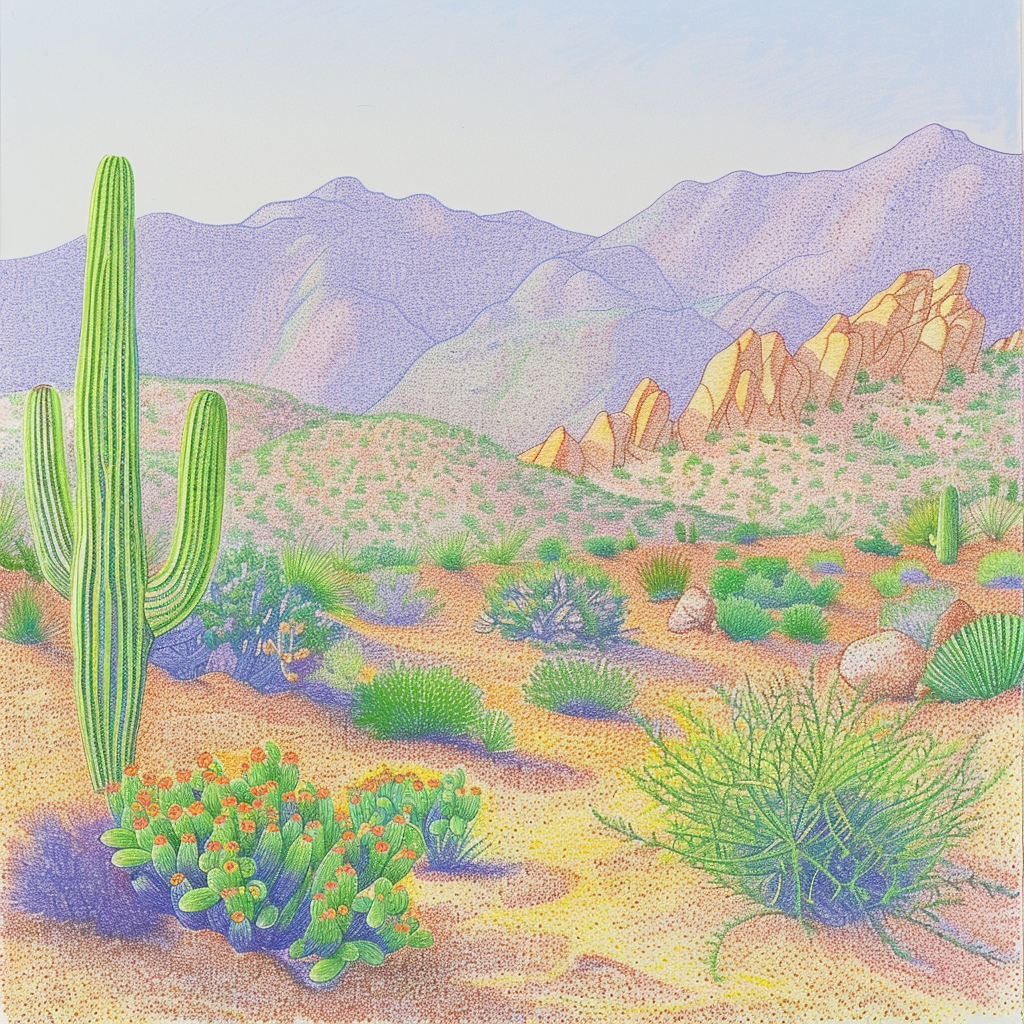
Creating sceneries with pointillism
Pointillism, with its ability to create textures and subtle nuances, can transform landscapes into vibrant and lively scenes. By combining this technique with other coloring methods, such as gradients and blending, one can add depth and realism to every element of the landscape. For instance, using dots to represent the texture of leaves on a tree, then applying gradients for shadows and highlights, allows for a harmonious and natural transition. Similarly, blending skies and waters, punctuated with pointillism for reflections and details, enriches the visual composition and brings the scene to life. By marrying these techniques, artists can create captivating landscapes where every element integrates harmoniously into a scene full of movement and vitality.
Dare the reflections
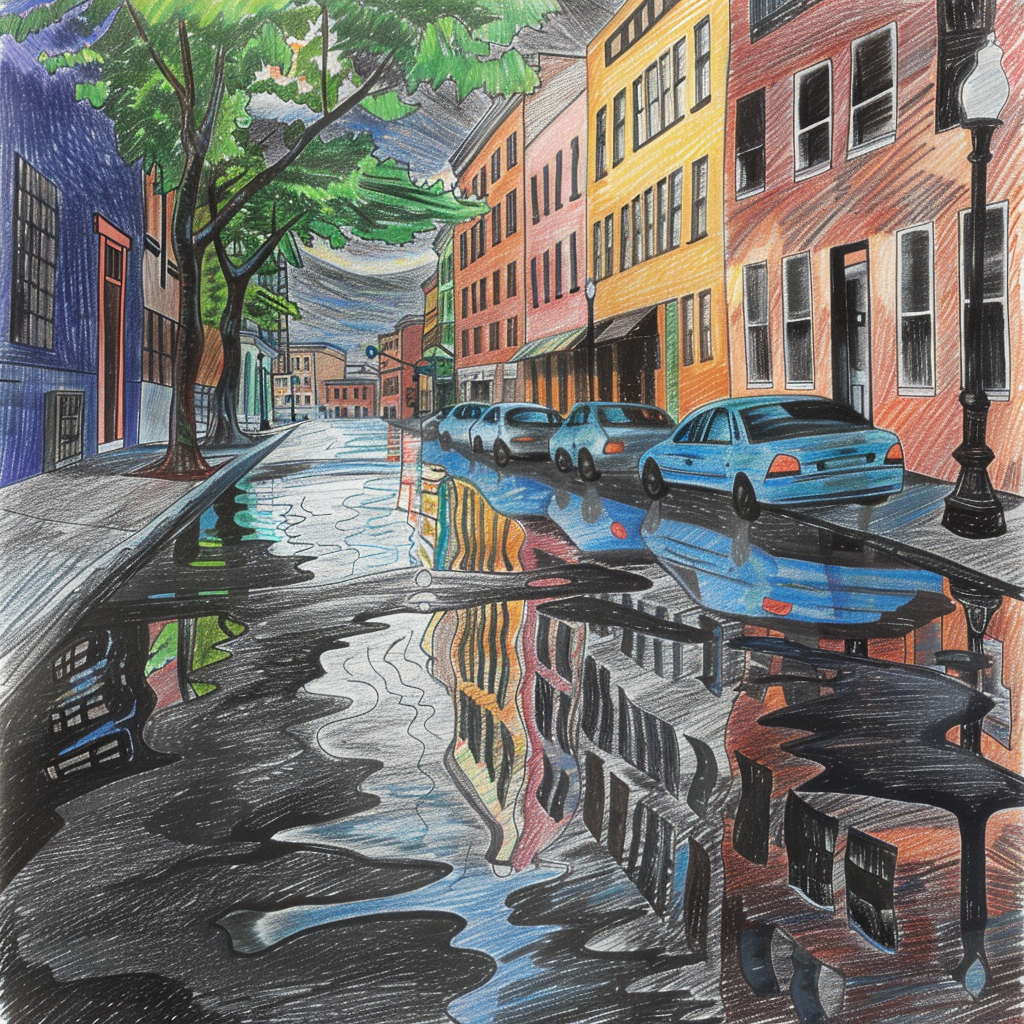
Reflections can add a spectacular and realistic dimension to your drawings, especially in rainy scenes. To create reflections on a wet surface, start by identifying the light sources and surrounding objects. Use gradient techniques to simulate the smooth transition of reflections on puddles and sidewalks. Add hatching and touches of white to represent the bright reflections of city lights or neon signs in the puddles. The colors should be slightly softer and blurrier than the original object to give the impression of a reflection. By blending these colors with a blending tool or a soft brush, you can create an illusion of a wet and shimmering surface. This technique enriches the scene, making it more lively and immersive, capturing the essence of a rainy night with artistic precision.
Add bright reflections
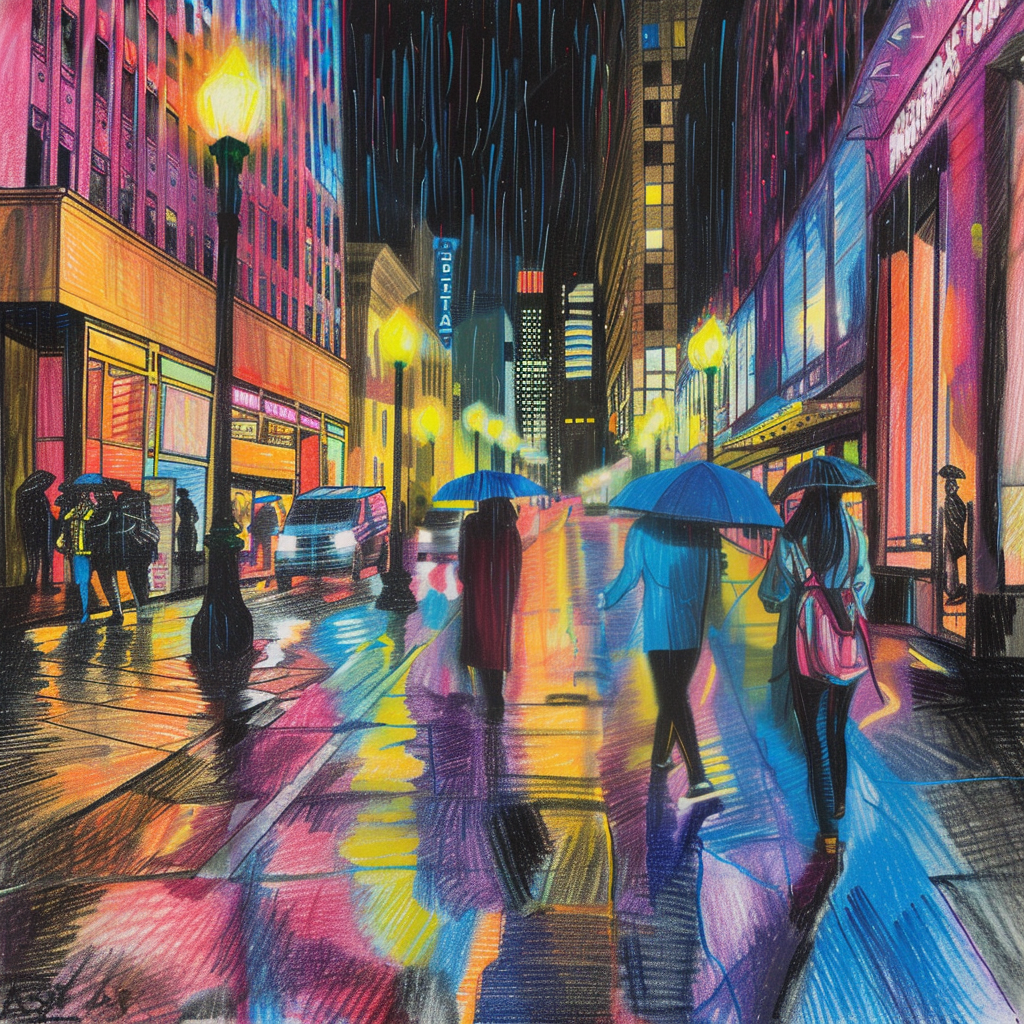
To enhance a nighttime scene, adding bright reflections can bring a magical and realistic touch. Start by identifying the light sources, such as street lamps, car headlights, or neon signs. Use vivid and contrasting colors for these sources, such as yellow, orange, or neon blue, and apply them with soft gradients to simulate the glow. Next, add reflections of these lights on surrounding surfaces, particularly on puddles, wet sidewalks, or building windows. To create these reflections, use fine lines and hatching, slightly blended, to represent the diffusion of light on irregular surfaces. White highlights can simulate the brightest points of the reflection. By playing with contrasts and integrating blur effects, you can make these reflections more realistic and dynamic, enhancing the depth and atmosphere of the nighttime scene. This technique captures the vibrant and lively essence of a city at night, enriching the drawing with a captivating and luminous atmosphere.
Reinvent the colors
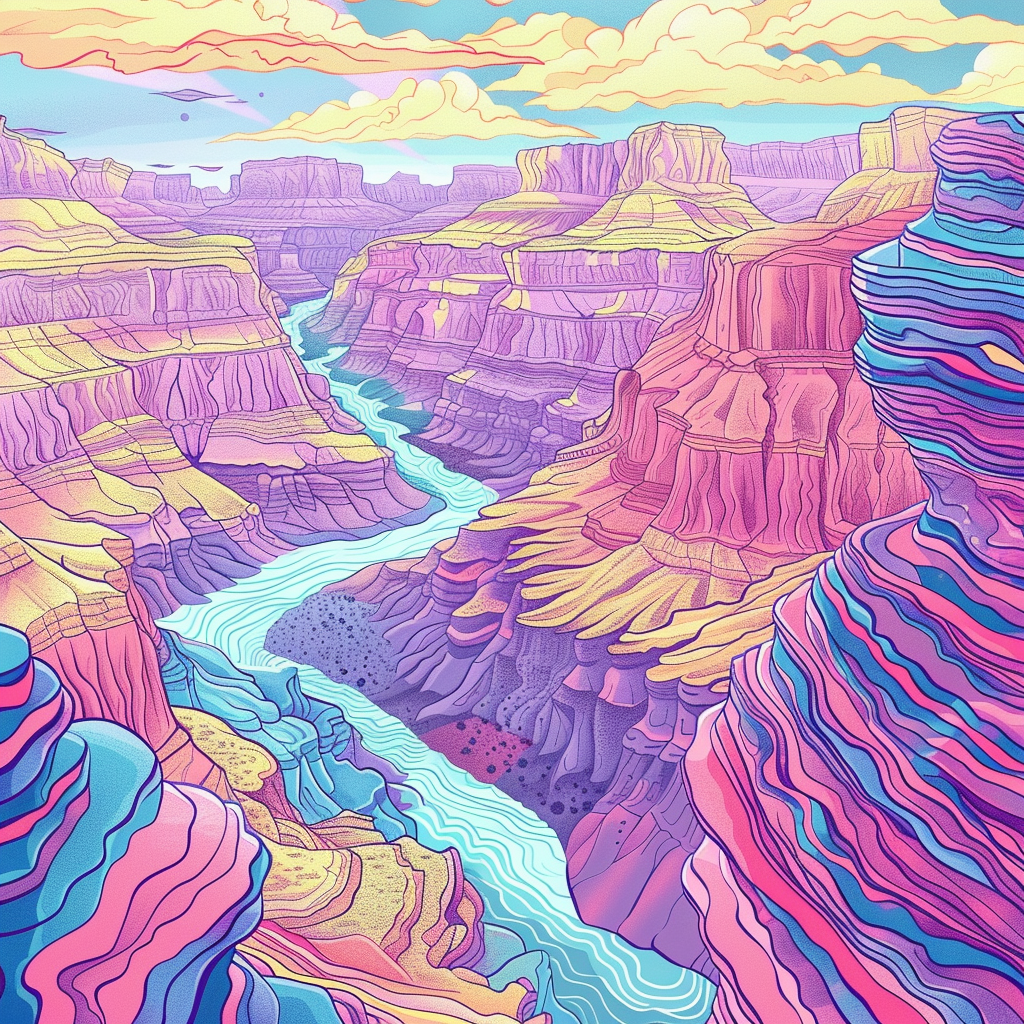
To give a psychedelic touch to a landscape, reinvent the colors by using vivid and contrasting hues, and integrate marbling effects to create a surreal and vibrant atmosphere. Start by choosing a palette of bold and unusual colors: electric pinks, fluorescent greens, deep blues, and fiery oranges. Apply these colors randomly to landscape elements such as the sky, mountains, and water bodies, using gradient and blending techniques for smooth transitions. To add marbling effects, layer colors using circular motions and sinuous lines, creating swirling patterns reminiscent of marble veins. These patterns can be applied to trees, rocks, or even the ground, giving a dynamic and hypnotic texture to the whole scene. By playing with these effects and pushing the boundaries of traditional colors, you can transform a simple landscape into a captivating psychedelic artwork, full of energy and movement, that stimulates the imagination and transports the viewer to a fantastical world.
Create mysterious atmospheres
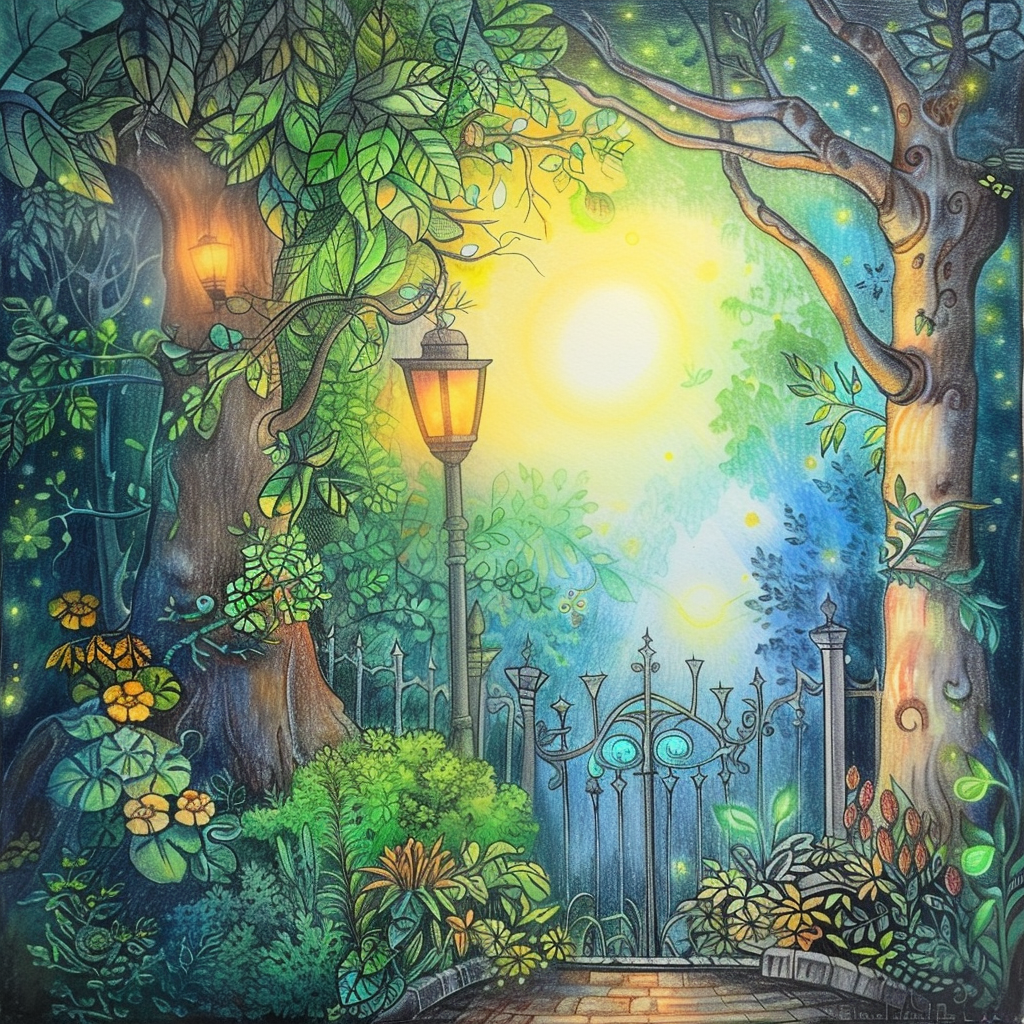
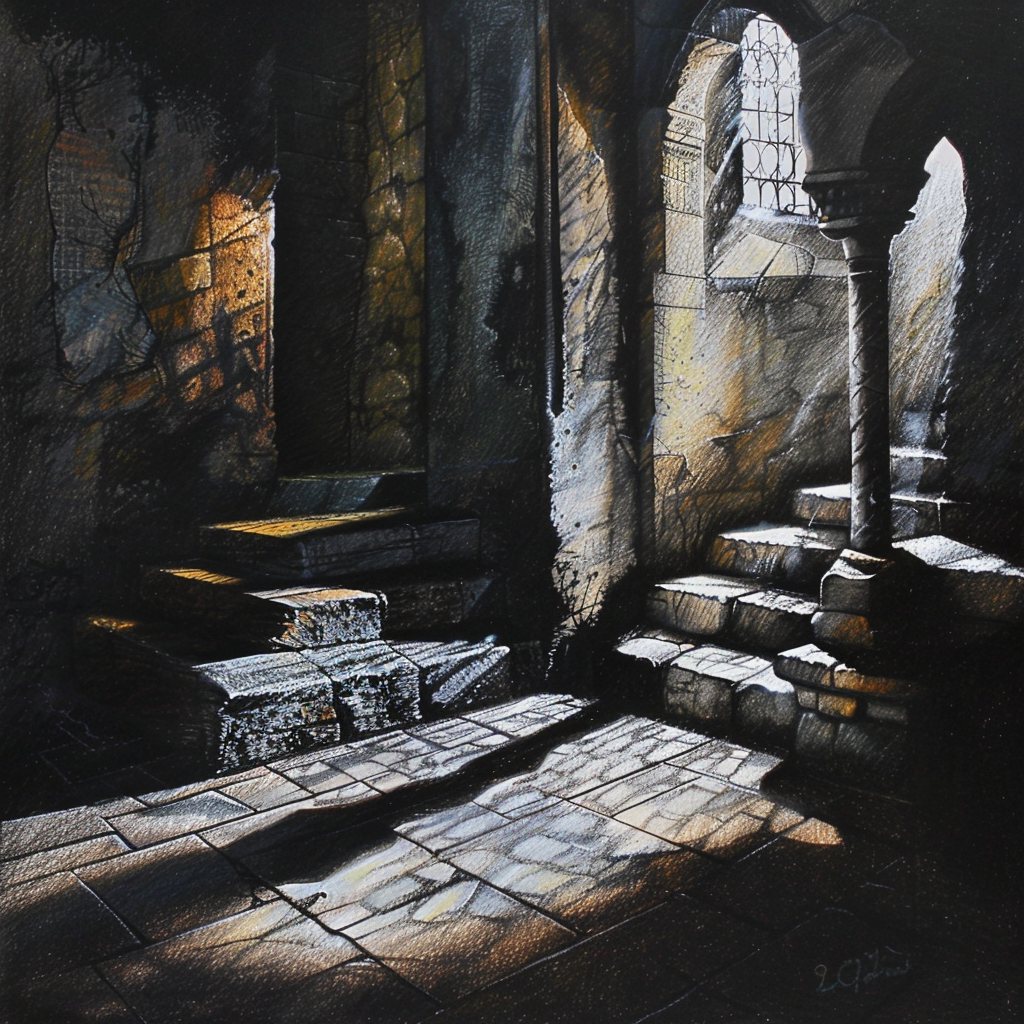
To create a mysterious atmosphere in a drawing, it's essential to play with shadows, dim lighting, and subtle contrasts. Use dark tones and shades of gray for background elements, while leaving areas of soft light to create intriguing focal points. Blending is crucial for achieving smooth transitions and blurred outlines, adding to the mysterious effect. Incorporate elements like mist or smoke by using white pencils or pastels on a dark base to give an impression of strangeness and depth. Indistinct silhouettes and shapes can also enhance this ambiance, suggesting rather than detailing. Add touches of light, perhaps from lanterns or the moon, to guide the eye and create striking contrasts. By playing with these different effects, you can transform an ordinary scene into a composition full of suspense and mystery, capturing the viewer's imagination and inviting them to uncover the hidden secrets within your drawing.
Play with shadows and lights
Manipulating shadows and lights in coloring can transform a flat image into a dynamic and realistic composition. By using techniques such as gradients, blending, and hatching, artists can create striking contrasts that add depth and dimension to their work. Highlighted areas, emphasized with light colors and touches of white, draw the eye and accentuate the main elements of the drawing. Conversely, shadows, rendered with darker tones and shades of gray, provide volume and mystery, defining contours and shapes. By playing with the direction of light, one can simulate different atmospheres and times of day, such as a soft, diffuse light for a misty morning or long, sharp shadows for a scene in bright sunlight. Reflections can also enrich the artwork, adding shimmering effects on water or glints on shiny surfaces. By mastering the art of shadows and lights, artists can not only bring their drawings to life but also convey various emotions and atmospheres, making each composition unique and captivating.

Create a haunting atmosphere
To create an eerie atmosphere in a colouring scheme, such as a moonlit landscape, it's essential to play with dark contrasts and deep shadows. Start by using dark, cool shades such as midnight blues, charcoal greys and intense blacks for the sky and landscape. Moonlight should be the only source of light, bathing the scene in a pale, ghostly glow. Add the silhouettes of gnarled, twisted trees, casting eerie shadows on the ground. Elements such as an abandoned house, broken branches and winding paths can add to the sense of dread. Use blurring techniques to create soft, blurred transitions, amplifying the impression of mystery and uncertainty. The reflections of the moon on a calm but black water surface can add an extra dimension of strangeness. By playing with these elements and adding subtle details such as glowing eyes in the darkness or indistinct shapes in the fog, you can transform a simple moonlit landscape into a scene full of tension and suspense, capturing the viewer's imagination and anxiety.
Create fantasy worlds
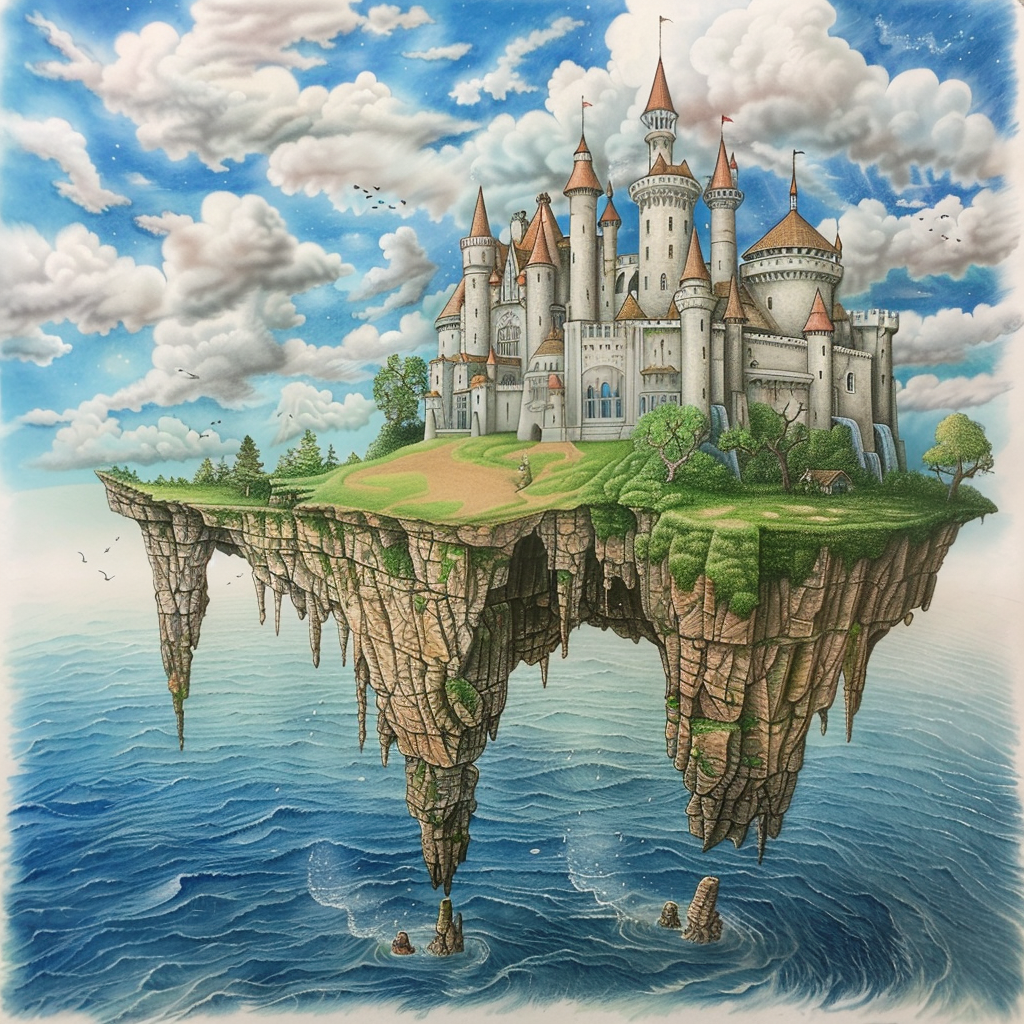
Creating surreal worlds in colouring allows you to explore fantastical, imaginary worlds where the rules of reality are defied. To do this, start by incorporating unexpected and improbable elements: melting watches hanging from the branches of a tree, fish flying in a starry sky, or stairs leading to nowhere. Use bright, contrasting colours to bring these strange elements to life, while playing with perspective to distort space and time. Gradient and fading techniques can help merge these surreal elements into a harmonious composition, creating smooth transitions between realistic objects and fantastical phenomena. Incorporate repeating patterns and unusual textures to add an extra dimension of mystery and complexity. By combining organic shapes with geometric structures and optical illusions, you can build intriguing and captivating scenes. Ultimately, creating surreal worlds in colouring invites you to let your imagination run wild, explore new concepts and offer the viewer a unique and stimulating visual experience.
Switch on the LEDs
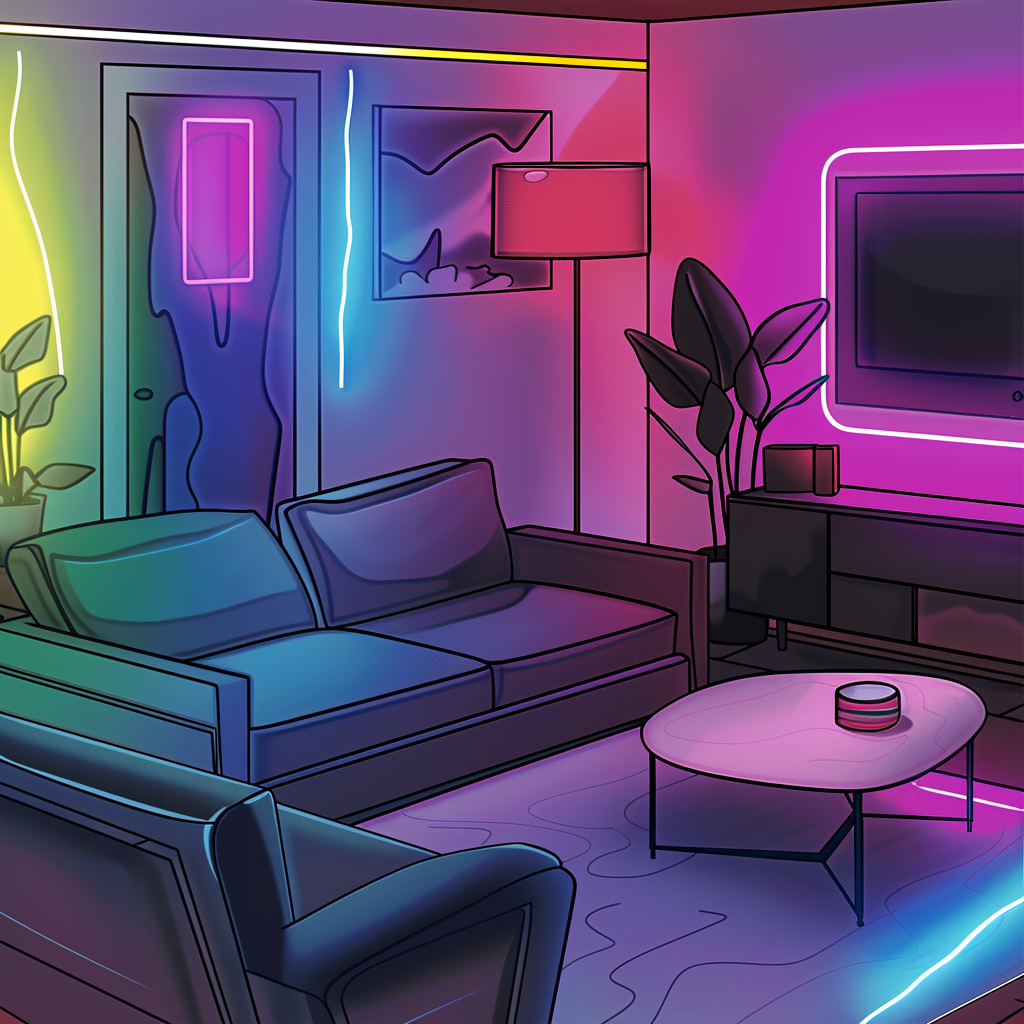
To colour a modern living room with LED lighting effects, start by choosing an elegant, contemporary colour palette. Use neutral tones such as grey, white and black for the walls and main furniture elements, creating a sober, sophisticated backdrop. Then add splashes of colour with coloured LED strips integrated into the ceiling and along the walls. Use shades of blue for a soothing effect, violet for a luxurious ambience, or red for a warm and welcoming atmosphere. Colour the furniture with clean lines, such as a minimalist sofa in dark grey or black, and a glass coffee table. Add discreet LED spotlights under floating shelves and behind works of art to create subtle shadows and reflections. Don't forget to colour main light sources, such as pendant lights with LED bulbs, using bright white hues for effective central illumination. LED table and floor lamps can be coloured in metallic or chrome shades to add a modern touch. By playing with LED lighting effects and colours, you can transform this living room into a versatile space, where every element lights up to create a refined, futuristic ambience.
Make colour stand out against a black and white background
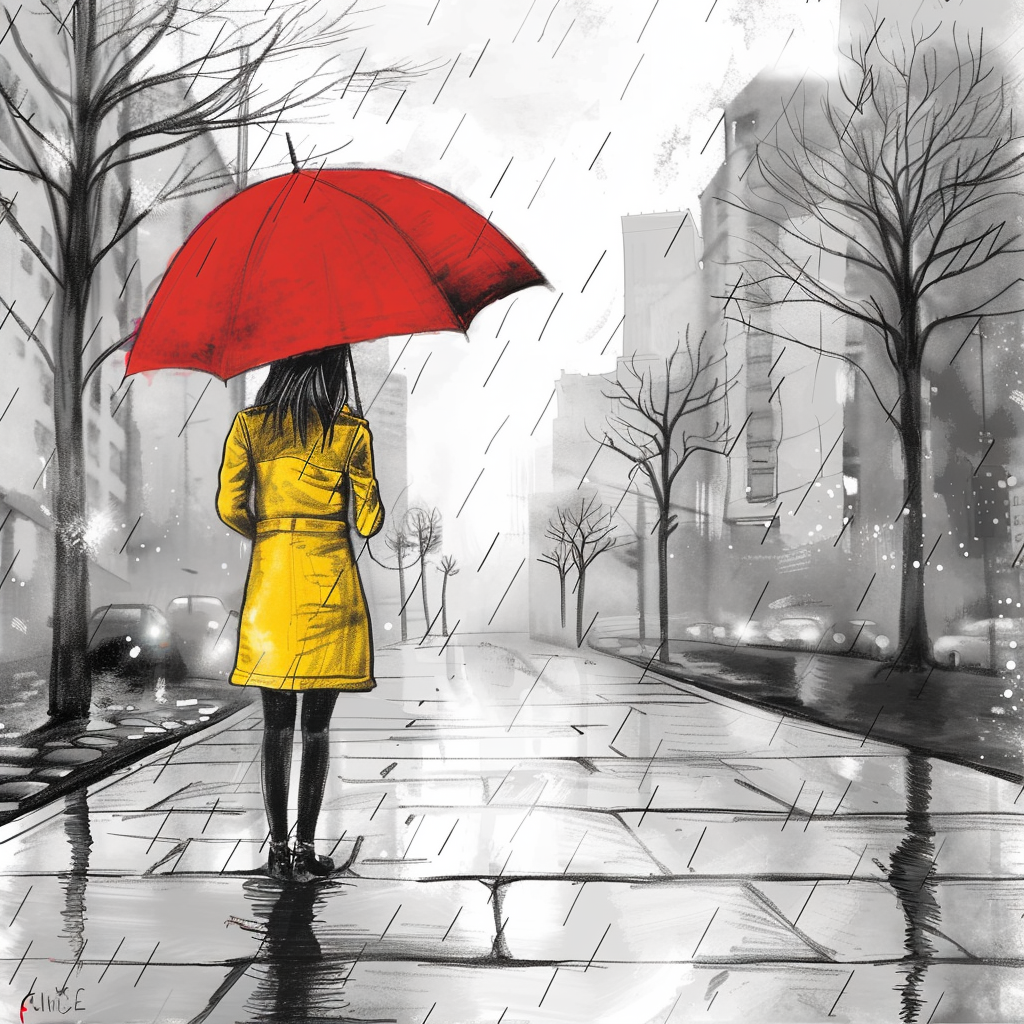
To create a striking artistic effect, colour in a scene where a vibrant character in colour stands out against a black and white background. Start by drawing the background in shades of grey, black and white, using hatching and fading techniques to add depth and varied textures. This monochromatic contrast highlights the details of the setting, whether it's a busy street, a quiet park or an interior room. Next, focus on the main character, using a palette of bright, saturated colours. Apply bold hues to clothes, accessories and facial features, using gradients to add volume and dimension. The contrast between the coloured character and the black and white background creates a powerful focal point, immediately drawing the viewer's attention. This technique not only highlights the character, but also conveys an emotion or story, playing on visual perceptions. By mastering this approach, you can transform an ordinary scene into a dynamic and expressive work of art, where each coloured element tells part of the story.
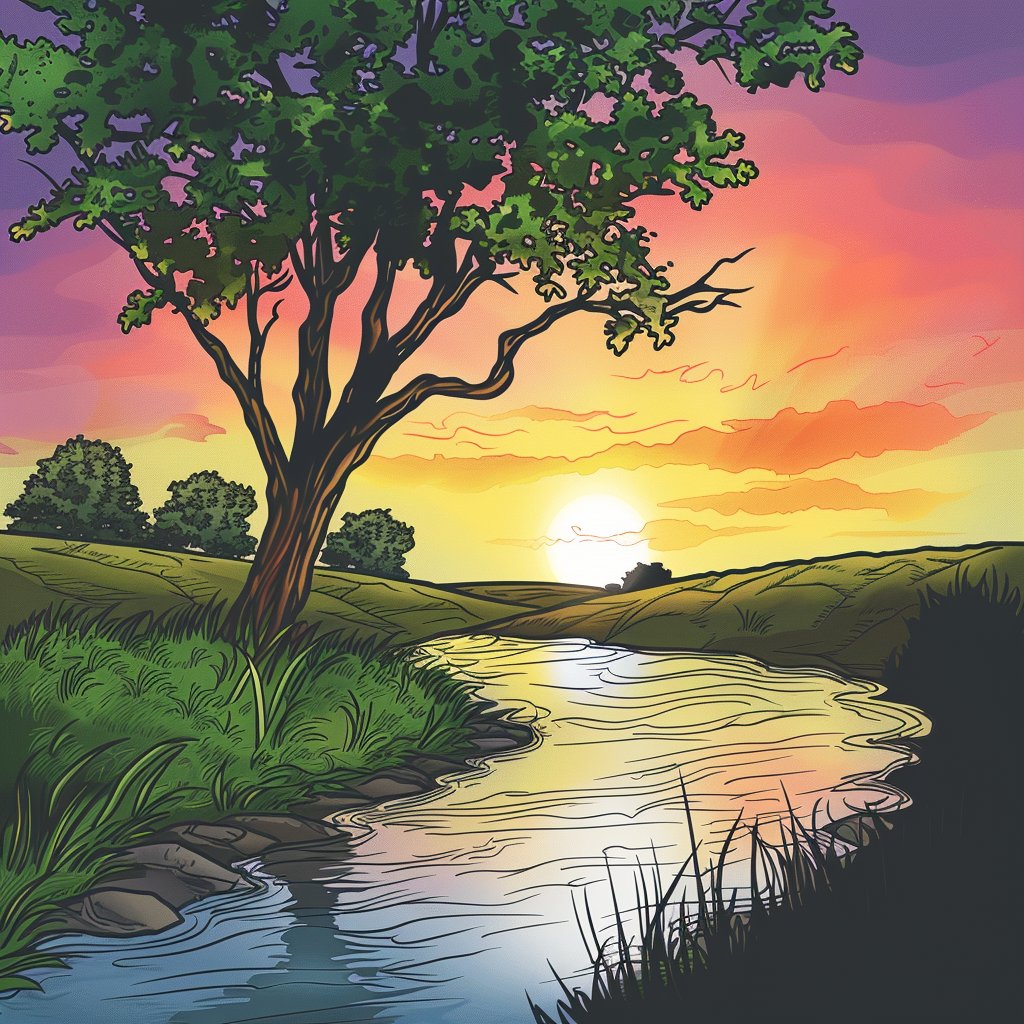
Don't miss the sunsets
To create stunning sunsets in coloring, start by choosing a palette of warm and vibrant colors, such as shades of yellow, orange, red, and purple. Begin coloring the horizon with the lightest colors, like yellow and orange, and gradually blend into darker shades like red and purple as you move up towards the top of the sky. Use circular motions or light pencil strokes to blend the colors smoothly and avoid abrupt transitions. Add silhouette elements in the foreground, such as trees, mountains, or buildings, using black or dark gray pencils to accentuate the contrast with the bright sky. Finally, don't forget to color the reflections on the water or add clouds to bring a touch of realism and depth to your sunset scene. By mastering these techniques, you can create spectacular sunsets that captivate and amaze.
 English
  French