
Mastering the art of colouring
Colouring is a creative activity accessible to everyone, from children to adults. Although it may seem simple, colouring offers surprising artistic depth when you explore different techniques. Whether you're a beginner or an experienced colourist, here are some essential colouring techniques to improve your work and get the most out of it.
Choose the right tools
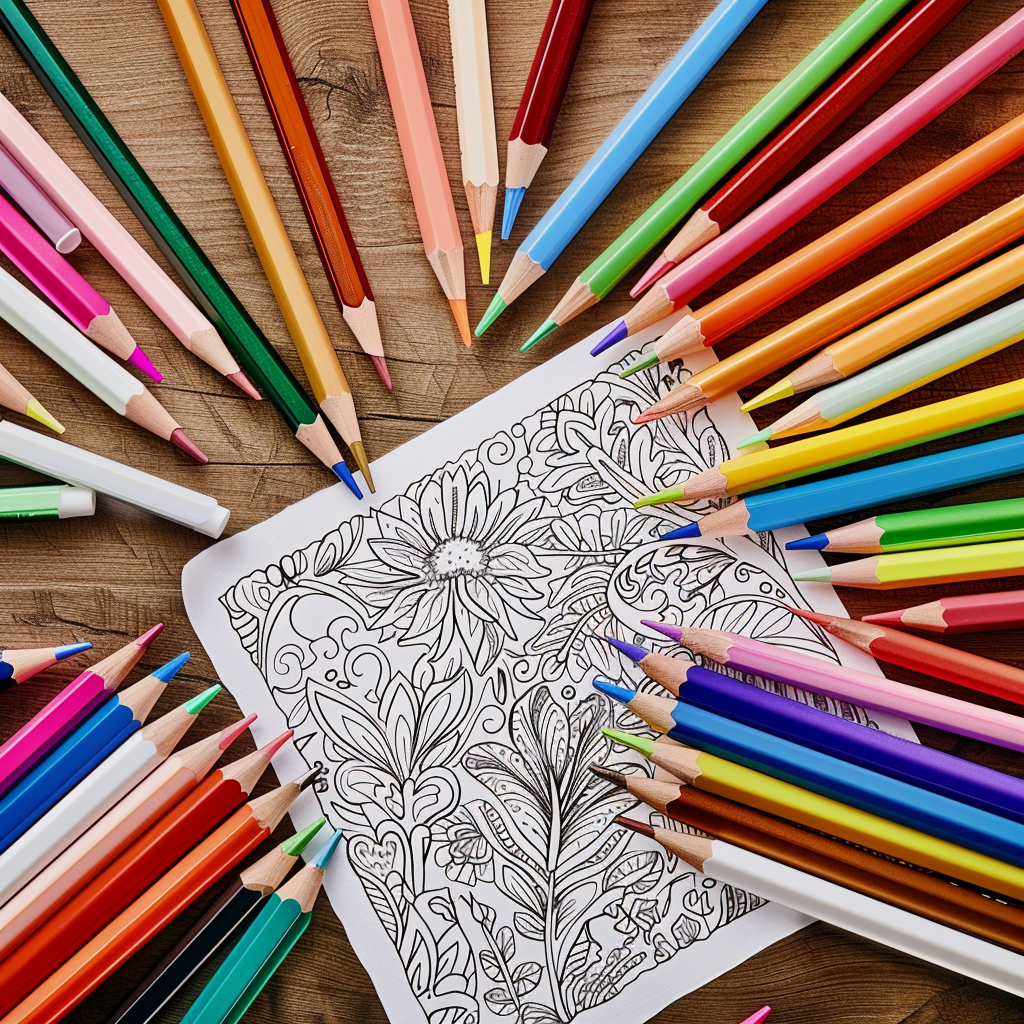
The choice of colouring materials is crucial to achieving optimum, satisfying results. Using quality tools, such as coloured pencils, felt-tips, pastels or watercolours, ensures better pigmentation, smoother application and longer-lasting colours. Good quality coloured pencils offer a rich texture and vibrant shades that blend easily, facilitating shading and blending techniques. What's more, quality paper, which is often thicker and more textured, is better able to withstand the various colouring techniques and prevents tearing or smudging. Good brands of water- or alcohol-based felt-tip pens provide even coverage without streaks or smudges, and soft pastels offer a smooth, fadeable application. By investing in quality materials, artists can not only improve their skills, but also maximise the pleasure and satisfaction of the colouring activity. Good equipment also helps to preserve the finished work, ensuring that the colours remain bright and beautiful over time. In short, the choice of equipment is a fundamental step that greatly influences the quality and durability of artistic creations.
Uniform filling
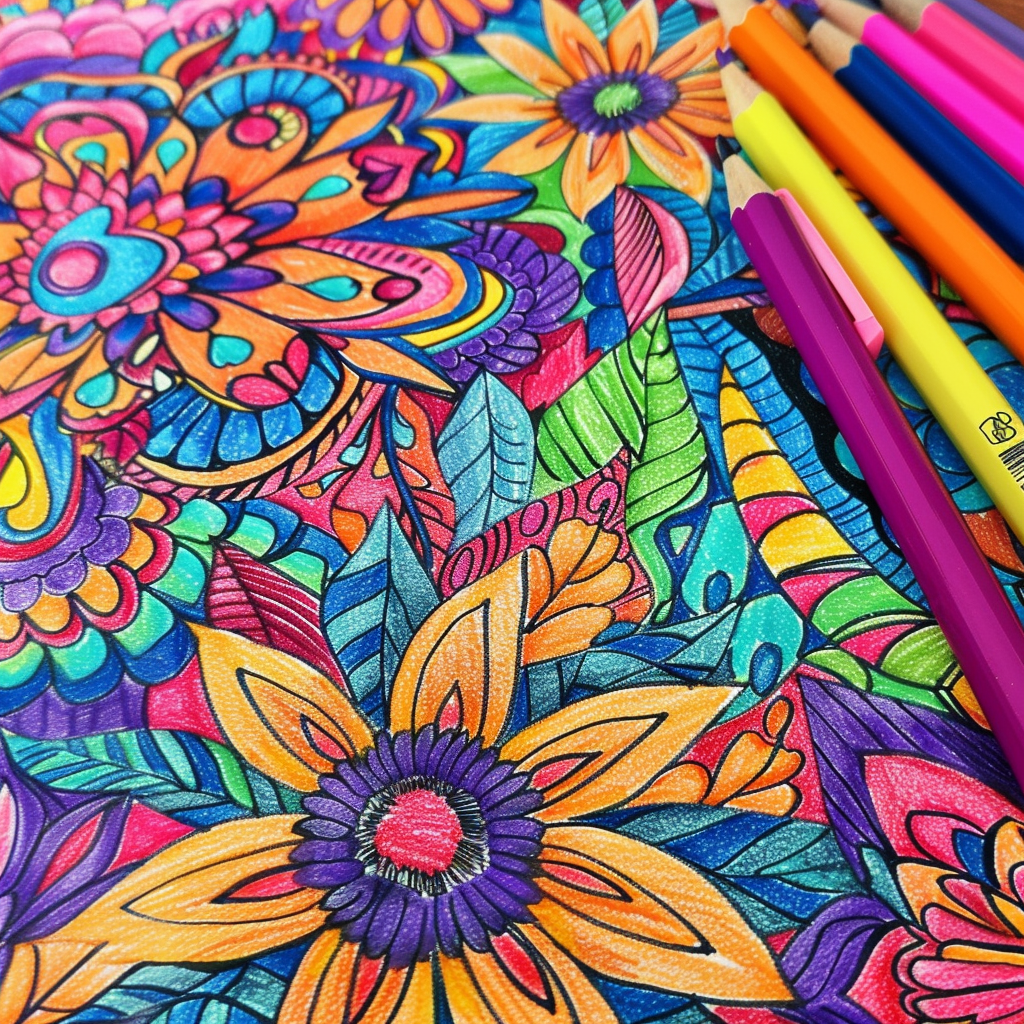
The uniform fill colouring technique involves applying colour evenly and consistently to a given surface, without variations or gradients. This method creates solid, clean areas of colour, which can be particularly useful for graphic-style drawings or illustrations requiring flat areas of colour. To achieve an even fill, it is essential to use quality tools, such as felt-tips, coloured pencils or paints that give even coverage. The technique requires even, precise application, taking care to avoid visible traces of pencil or brush strokes. Uniform filling is often used to highlight certain parts of a design, contrasting with more complex techniques such as shading or hatching, to create an impactful and professional visual effect.
The gradient
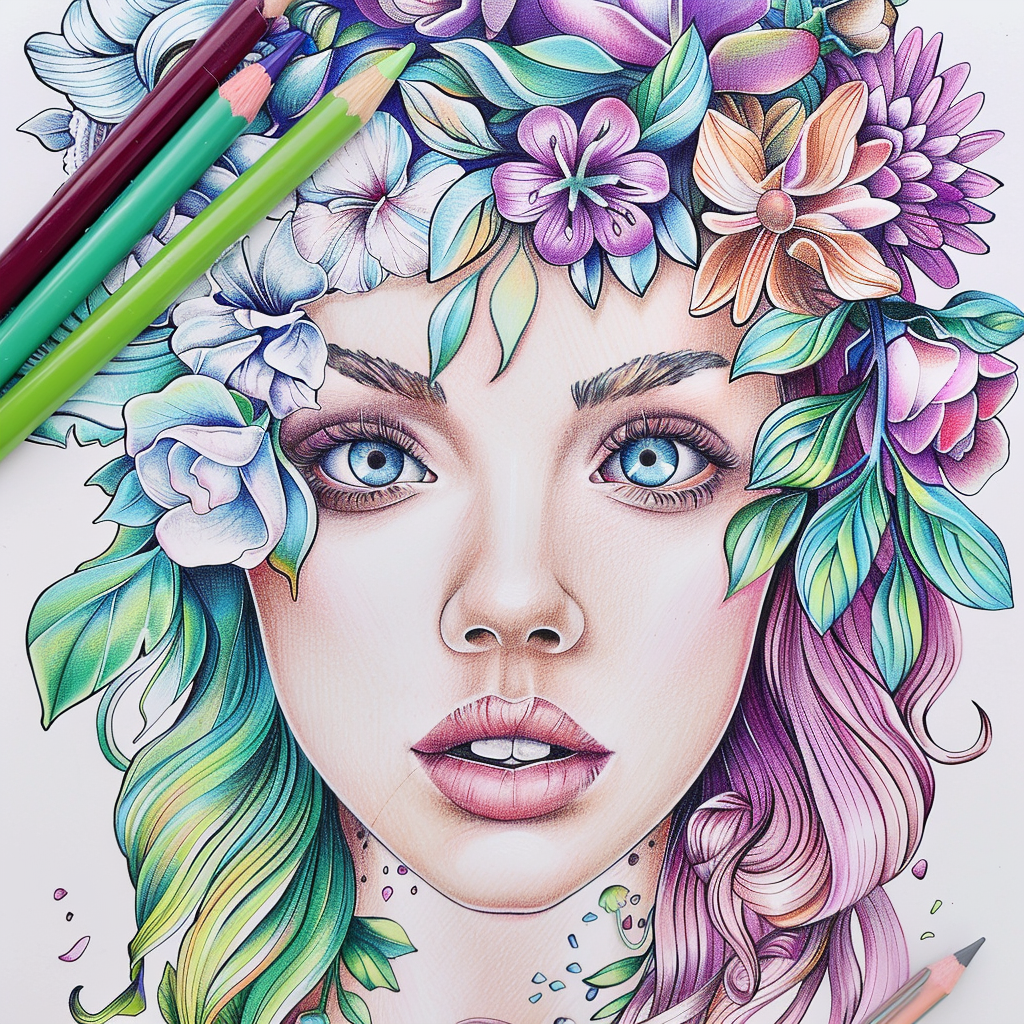
The gradient technique in colouring involves gradually moving from one colour to another, creating smooth, harmonious transitions. This method adds depth, volume and realism to drawings by simulating the effects of light and shadow. To create a gradient, it's essential to choose colours that work well together and apply them in successive layers. Start with the lightest colour and gradually add darker layers, using circular movements or light pencil strokes to avoid harsh lines. Using coloured pencils, pastels or watercolours allows you to superimpose colours and blend them to achieve a fluid gradient effect. Blending tools, such as blenders or soft brushes, can be used to blend colours and create even smoother transitions. The gradient technique is particularly useful for representing skies, landscapes, shadows on objects and portraits. By mastering this technique, artists can bring their work to life, adding a dimension of realism and subtlety that captures the eye and imagination of the viewer.
Fading
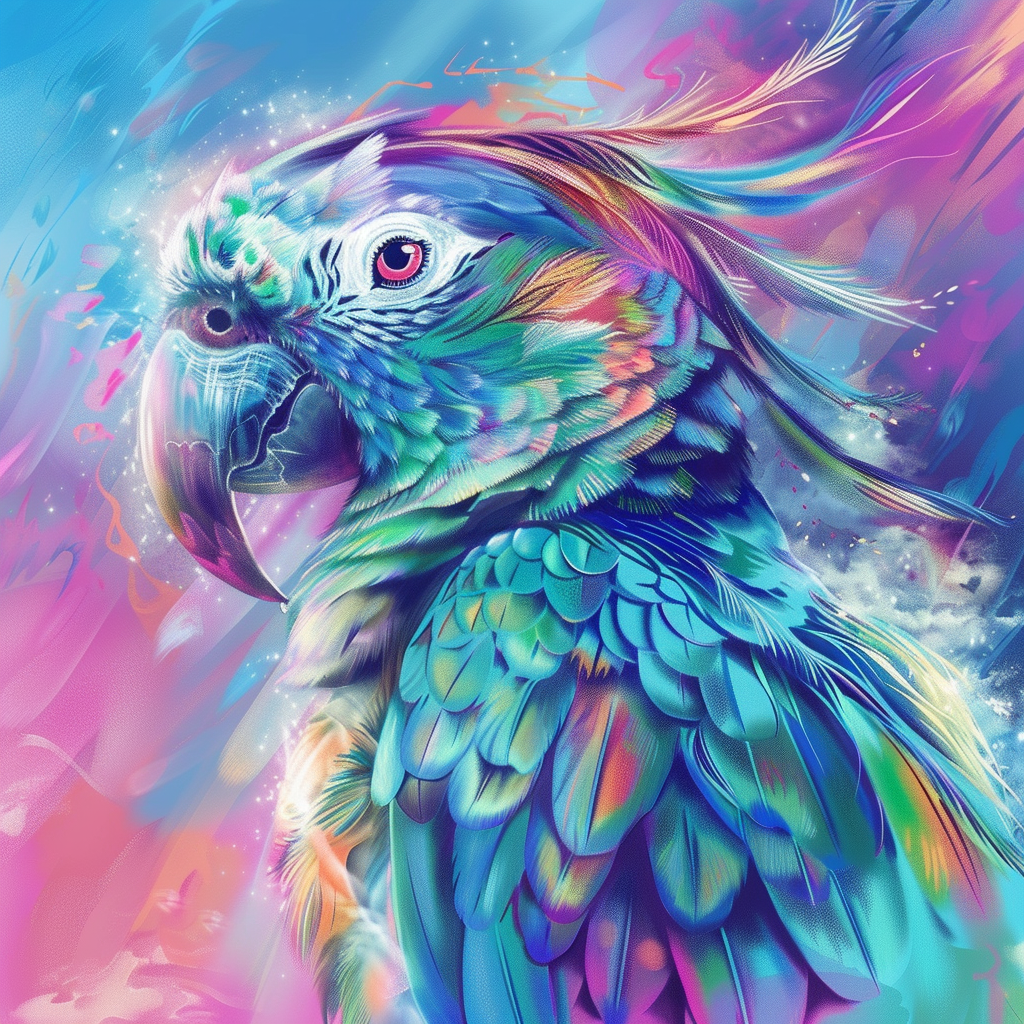
Blending involves softening and blending colours or pencil strokes to create smooth transitions and soft effects in a drawing. This method is particularly useful for adding depth, volume and realism by simulating subtle gradations of light and shadow. Fading can be achieved using a variety of tools, such as blotters, cotton buds, soft brushes or even your fingers. By gently rubbing colours or pencil lines, the artist can erase hard lines and create harmonious transitions between different shades. This technique is ideal for portraits, landscapes and drawings of soft textures such as clouds, fabrics or skin. Fading can also be used to correct and refine details by softening excessive contrasts and evening out coloured surfaces. Mastering the art of blending requires practice and a certain sensitivity to touch, but offers a wealth of effects and nuances, transforming simple drawings into works full of life and realism.

Contrasting tones
Pastel tones
4o
Matte tones
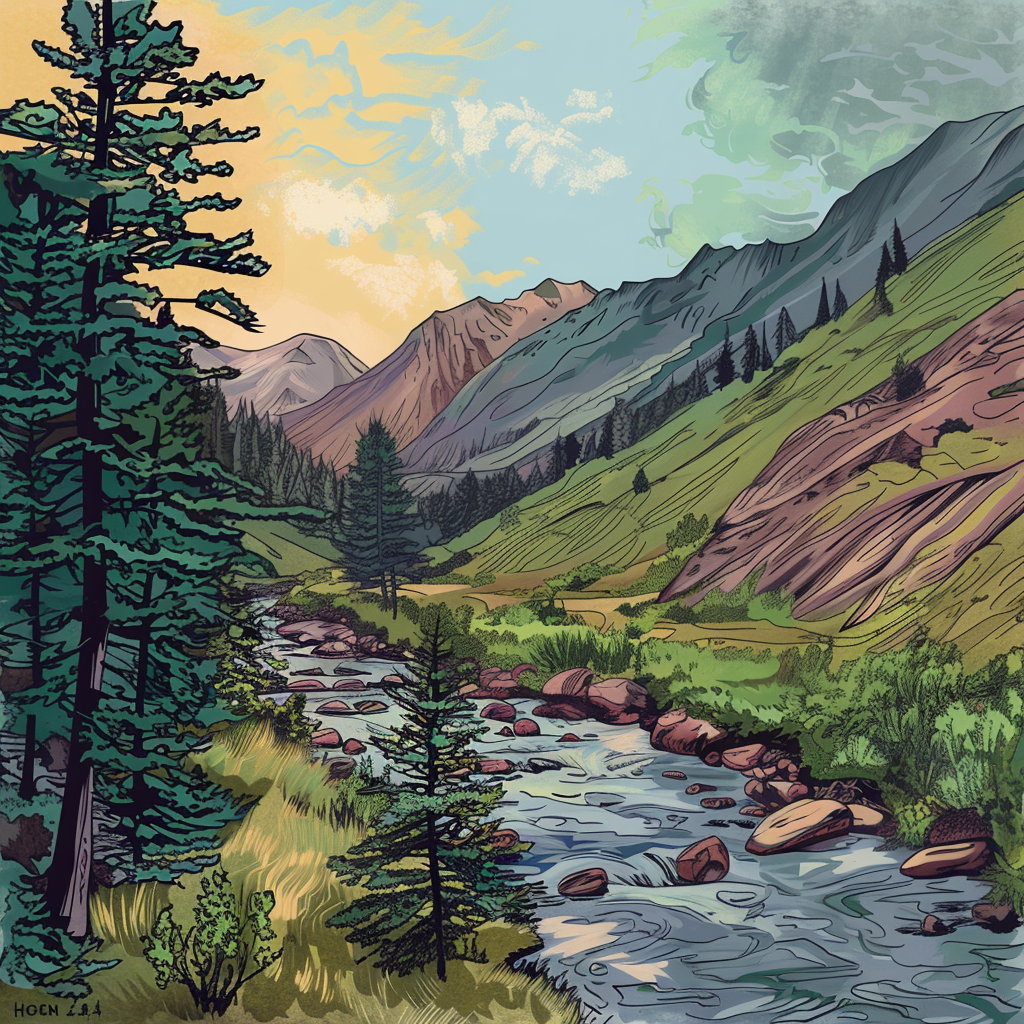
The technique of colouring with matte tones involves using colours without sparkle or shine, creating a soft, subtle finish. To succeed with this technique, it's important to choose pencils, pastels or paints specifically designed to offer a matt texture. Matt tones are characterised by their sober, elegant appearance, making them perfect for works that require a calm, refined atmosphere. When applying, it is essential to overlap colours evenly and avoid areas that are too bright or saturated. Shades should be well blended to achieve harmonious transitions and delicate depth. Light rubbing or fading can be used to soften contours and transitions, enhancing the matte effect. This technique is particularly suited to portraits, soothing landscapes and illustrations requiring a soft, muted atmosphere. Matte tones add a dimension of sophistication and calm to the work, highlighting details without attracting attention with flashes of light.
The choice of colours
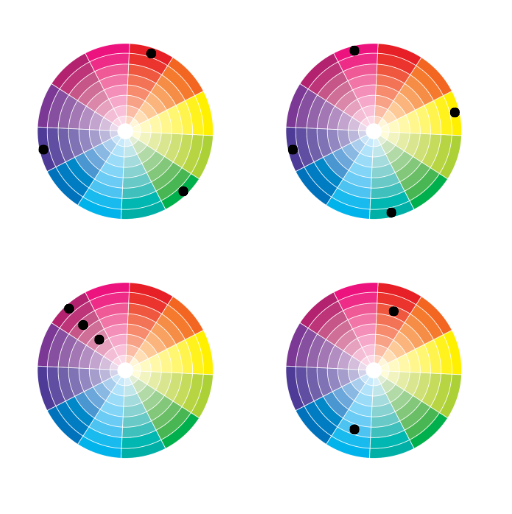
The choice of harmonious colours is essential for creating aesthetically pleasing and balanced colouring works. The colour wheel is a valuable tool for understanding and selecting these colours. A common method is the use of cameos, which involves using different shades of the same colour. For example, by choosing different shades of blue, you can create a soft, subtle harmony in your design. Another approach is to use complementary colours, which are directly opposite each other on the colour wheel, such as red and green or blue and orange. These combinations create a vibrant and dynamic contrast, making certain parts of the design particularly striking. You can also opt for analogue colours, which lie side by side on the colour wheel, such as blue, blue-green and green. This technique offers a natural, soothing harmony, ideal for calm scenes. Finally, the colour triad involves selecting three colours that are equidistant on the colour wheel, such as red, yellow and blue. This maintains visual balance while introducing colour diversity. By using these techniques based on the colour wheel, you can create colour compositions that are both harmonious and captivating.
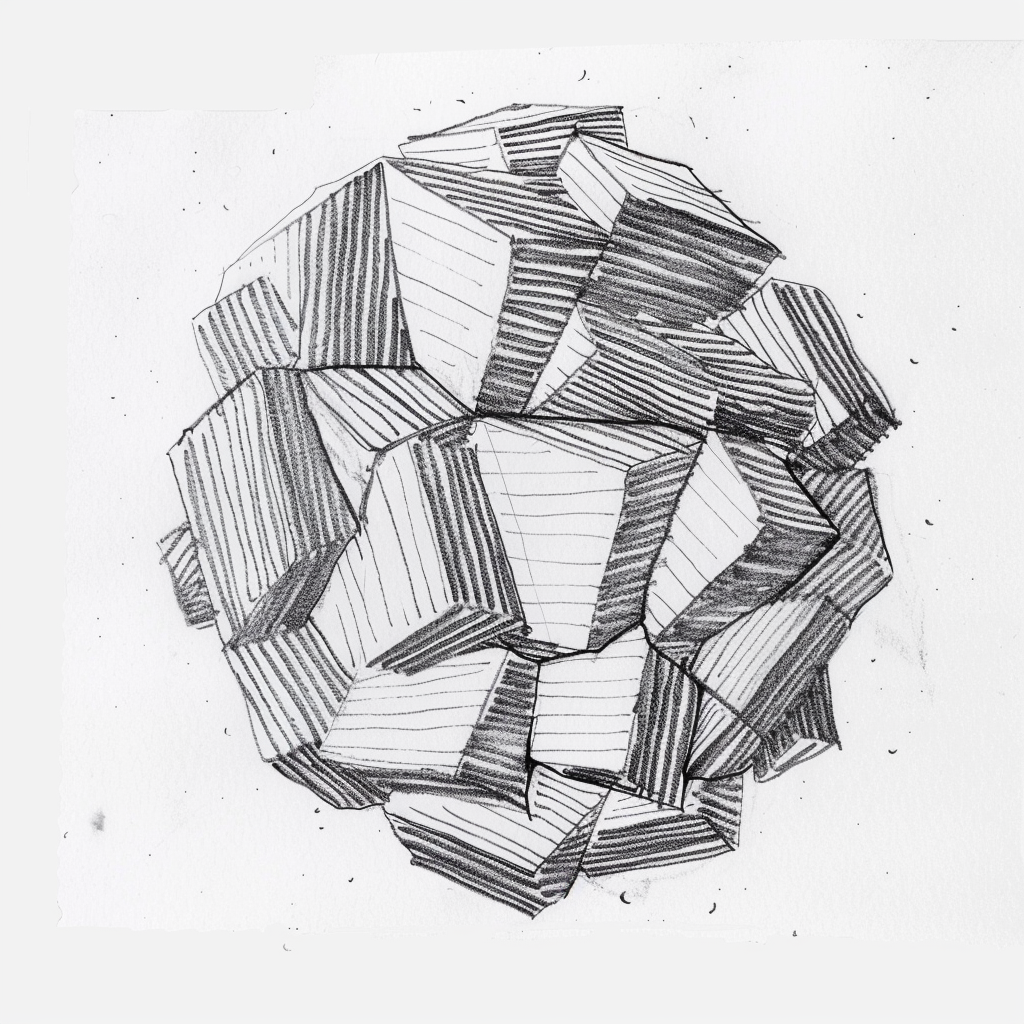
Hatching
The hatching colouring technique involves using closely spaced parallel lines to create texture, shading and depth in a drawing. By varying the density and direction of the lines, artists can simulate different levels of light and shadow, giving a two-dimensional work a three-dimensional feel. Cross-hatching, where lines cross at different angles, can further enrich the complexity and intensity of shading. This technique is particularly effective for adding minute details and realistic textures, making it a favourite choice for striking portraits, detailed landscapes and dynamic illustrations. Mastering hatching takes precision and practice, as the careful placement of each line has a significant impact on the overall effect and realism of the drawing.
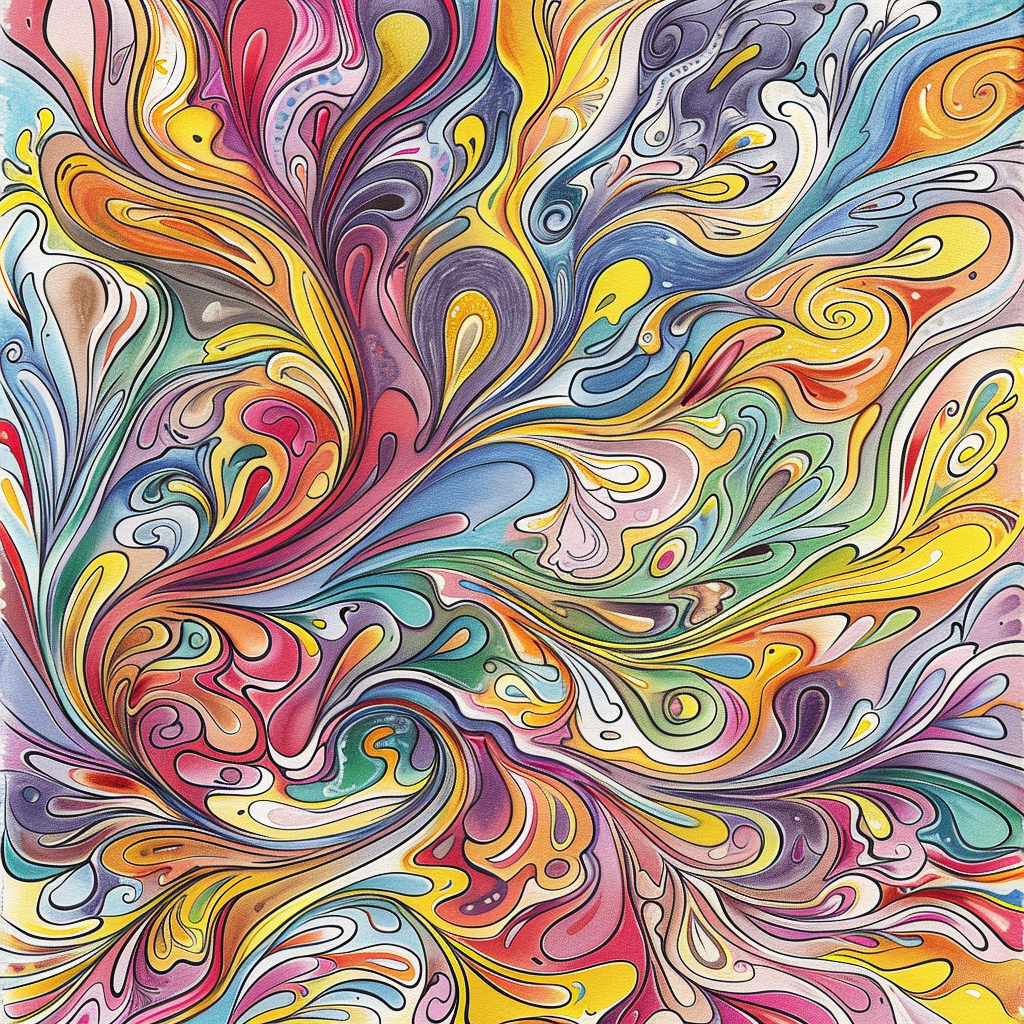
The marble effect
The technique for colouring in the marble effect with coloured pencils involves creating veined and textured patterns that mimic the natural appearance of marble. To begin with, it's helpful to choose a colour palette that includes both light and dark shades to add depth and contrast. The artist begins by colouring the surface randomly with basic colours, using circular movements or light strokes to avoid sharp edges. Then, by superimposing different shades of pencil, the artist adds veins using irregular, sinuous lines, often exerting variable pressure to create variations in intensity. For a more realistic look, we recommend blending the colours with a blender or cotton bud, which smoothes the transitions and creates a softer, more polished appearance. Finally, by adding a few touches of white or light colour, you can simulate the reflections of light on the marbled surface. This technique requires patience and precision, but can produce striking and elegant marble effects with coloured pencils.
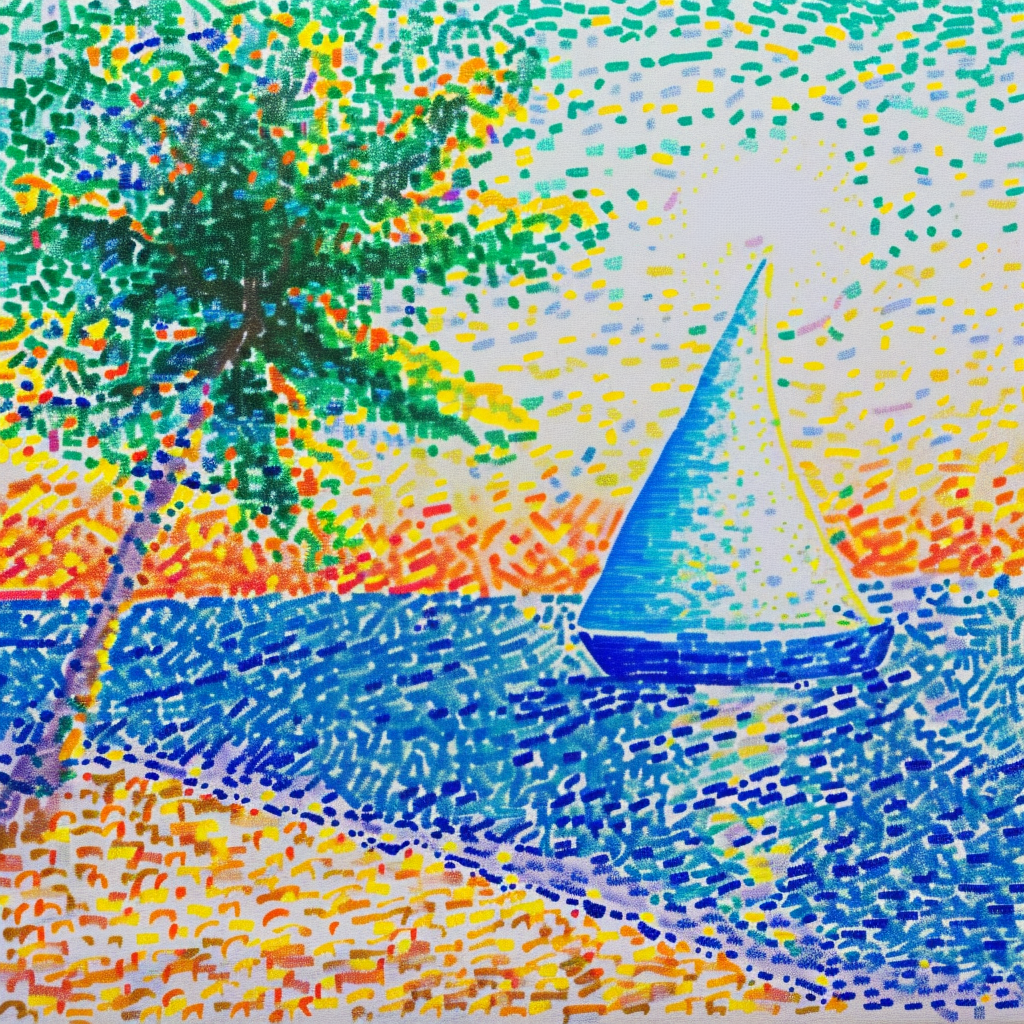
Pointillism
The colouring technique of pointillism involves creating images using a multitude of small dots of colour juxtaposed against each other. Rather than mixing colours on the palette or surface, artists apply separate dots of different hues which, when viewed from a distance, combine optically to form nuances and detailed images. This method produces unique effects of light and texture, while adding a vibrant and dynamic dimension to the drawing. Pointillism requires great patience and meticulous precision, as each dot must be carefully placed to contribute to the harmonious whole of the work. Used mainly in painting, this technique can also be applied with pencils, felt-tips or pens to achieve equally impressive results. Pointillism is famous for its ability to create complex and captivating visual compositions, where each dot of colour plays a crucial role in the overall perception of the image.
 English
  French